

Table of Contents
Launch Your First Product with Amazon FBA Beginner Checklist

Your experience of being an Amazon FBA seller can be like a roller coaster ride, but there is much to get to know as well. Choosing the right product, managing the inventory, handling everything, every step counts in case you want to expand your store in the right direction. There are a lot of sellers who try it without a clear-cut process and this usually brings about a lot of errors that could have been averted. This is where a perfect Amazon FBA checklist may become a game changer. It helps you follow a proven path that keeps you focused on what works. This blog brings you a complete guide that covers every key step from product research and supplier sourcing to account setup and launch strategy. Whether you are just getting started or planning your first shipment, this checklist is built to help you move forward with clarity and confidence in the Amazon marketplace.
Amazon Product Launch Checklist for Smart New FBA Sellers
Starting strong with the right product is the backbone of any successful Amazon FBA business. Here’s how you can make smart decisions that lead to long-term growth.
1. How to Identify High-Demand, Low-Competition Products
The best products are not always the ones that sell the most. A winning product is one that has steady demand but not too many strong sellers offering it. Look for items that solve a simple problem, are easy to ship, and fall within a good price range. Products priced between twenty to fifty dollars often perform well because they are affordable yet still leave room for profit.
A good sign of demand is if the product gets at least three hundred sales per month. To check the level of competition, see how many top listings have under five hundred reviews. Fewer reviews mean easier entry. This balance between high demand and low competition makes it easier to gain traction as a new seller.
2. What Data to Focus On
- Monthly sales volume – shows how often the item sells. Go for products with at least three hundred sales a month.
- Review count – fewer reviews mean less competition. Avoid niches where the top listings have thousands of reviews.
- Pricing trends – check if the price holds steady or changes too often. Stable prices help keep your margins in control.
- Sales history – see if the product sells well across different months, not just during holidays or events.
You should never guess which product to choose. Use real numbers to guide you. The four key data points to check are:
These numbers will tell you if the product is worth investing in or not.
3. Realistic Profit Margin Calculations
- Amazon FBA fees
- Referral fees
- Shipping charges
- Customs or import duty
- Advertising costs
Before placing any order, work out your true profit margin. Many sellers only check the selling price and product cost, but that leaves out several key expenses. Make sure to include:
After all these are removed, you should still have a margin of at least twenty-five to thirty percent. Anything less may not leave you enough room to grow or advertise later.
Use a simple formula like:
Selling Price - (Product Cost + FBA Fees + Shipping + Ads) = Net ProfitThis helps you avoid surprises and keeps your business healthy from the start.
4. Red Flags to Avoid
- Seasonal products- If an item only sells during holidays or one time of year, it could leave you with unsold stock later.
- Legal or restricted products – Some items need special permissions or documents. Always check Amazon’s list of restricted categories and local import laws.
- Saturated niches –If all top listings have thousands of reviews and are backed by big brands, the market may already be too crowded.
- Breakable or oversized items – These increase shipping costs and risk higher return rates.
Some products may look promising but carry hidden risks. Avoid the following traps:
Stay clear of these issues to protect your money and your account health.
1. Sourcing Channels: Alibaba, IndiaMart, Direct Manufacturers
When you are ready to source your product, you have three main options:
- Alibaba – A global platform with thousands of suppliers for nearly every product. It is great for sourcing from China, but always check seller ratings and trade history before contacting.
- IndiaMart – A good option if you prefer sourcing from Indian manufacturers. Products such as textiles, leather products, and handicrafts tend to offer better pricing and local sourcing advantages.
- Direct manufacturers – If you prefer to own in the long term, invest in contact with manufacturers directly through trade shows, factory visits, or recommendations. This is more stable but involves more effort in the beginning.
Start by shortlisting at least five suppliers. Then compare them based on their communication, pricing, and readiness to work with small businesses.
2. How to Request a Sample and What to Inspect
Never place a bulk order without testing a sample first. A product sample gives you a real feel of the quality, finish, and packaging. Here’s how to go about it:
- Request a double or single sample of your identical product with any personalizations that you intend to have.
- Pay for expedited shipping, so you receive it within a few days rather than weeks.
- Upon receiving the sample, inspect the material's quality, weight, finish, and any moving parts if there are any.
- Also test the packaging- Make sure it protects the item during shipping and looks good enough for online retail. Keep notes on anything that needs improvement before you confirm the full order.
3. Checklist: Quality Control, Packaging, MOQ, Lead Times
Below is a basic check list to follow when discussing with selected suppliers:
- Quality control- Learn what arrangements they make to ensure quality as well as how they determine quality. Others conduct in-house inspection but some outsource to the third party inspectors.
- Packaging capacity: Do they have ready packaging or only cartons in bulk. FBA asks for barcode labels and wrapping that is not easy to open, therefore, make sure to check about this in advance.
- Minimum order quantity (MOQ) A lot of suppliers have a MOQ but most of them are fair-minded when you politely request them. Start with a small order to reduce risk.
- Lead times- It is always good to enquire about the time lag beween payment and shipping. The standard time should take less than 30 days. Add more time if you plan to customize.
With this check list, you will be able to avoid the delays, substandard quality or even poor communication.
4. Negotiating tips
These are some that never go wrong while negotiating with suppliers:
- Be direct, simple, and polite in communication. Good communication leads to trust.
- Ask for cost breakdowns — product, packaging, shipping, so that you understand what you are paying for.
- If you can, inform them that you'll be sending additional orders if the initial one is successful. Repeat business can negotiate lower prices from most vendors.
- If they will not give a price reduction, request freebies such as barcoding, special packing, or faster manufacturing time.
It should always remain professional and all should be agreed upon in writing, such as order terms and deadlines.
5. Product Listing Optimization
Create a listing that helps you get found and convinces shoppers to buy.
Crafting a strong listing:
- Write a clear and keyword-rich product title
- Use bullet points to explain product benefits and key features
- Add backend keywords that match buyer search terms but do not repeat your title
Understanding the A9 algorithm:
- Amazon uses A9 to rank your product based on keywords, conversions, and sales
- Good listings with natural keywords and strong performance get indexed faster
Using media for better conversion:
- Upload high-quality images from different angles
- Add lifestyle photos to show the product in real use
- Include a video if possible to explain features clearly
- Use A plus content to build trust with better visuals and extra information
6. FBA Prep and Product Compliance
Make sure your product is ready for Amazon warehouses and follows all rules.
Barcode and labeling:
- Use a FNSKU barcode for private label products
- Place the barcode clearly on the outer packaging
- Avoid using the same barcode on multiple product types
Packaging and bundling:
- Choose packaging that protects the item during transport
- Match the exact dimensions and weight shown in your listing
- For bundles, seal all items as one single unit
Compliance and restrictions:
- Check if your product needs approval in any Amazon category
- Prepare documents for items that require FDA, CE, or other safety marks
- Do not list restricted or unsafe items without clearance
7. Shipping to Amazon FBA Warehouse
Getting your products safely into Amazon’s warehouse is a key part of the FBA process. Follow the right steps to avoid delays or extra charges.
Direct to FBA vs. Using a 3PL
- Direct to FBA: Ship products straight from your supplier to Amazon. This saves time and cost but only works if your supplier knows Amazon’s FBA prep and labeling rules.
- Using a 3PL (Third Party Logistics provider): Ideal if your supplier cannot follow FBA prep. A 3PL will inspect, label, and repackage products before sending them to Amazon. This gives more control and helps catch issues early.
Setting Up a Shipment Plan
- Log in to your Seller Central account
- Go to the Manage Inventory section
- Select your product and click on Send to Amazon
- Fill out shipment details: quantity, box size, weight, prep and labeling options
- Confirm the warehouse Amazon assigns and generate shipping labels
Inbound Shipping Checklist
- Double-check box dimensions and weight to avoid overcharge
- Add a clear box content list if you pack multiple SKUs in one shipment
- Print and stick the FBA box labels provided by Amazon
- Schedule pickup with your chosen carrier, like UPS or FedEx
Following this checklist reduces warehouse delays and keeps your product moving fast.
8. Launch Strategy Checklist
Your launch sets the tone for your product’s future. Focus on visibility, early sales, and strong customer feedback.
Building Early Momentum
- Run Amazon PPC ads from day one to get traffic
- Use coupons or discounts to boost initial orders
- Set a competitive price and increase slowly as reviews and rank improve
- Monitor clicks and conversions to adjust ad spend early
Collecting Reviews the Right Way
- Use Amazon’s Request a Review button inside your orders tab
- Send polite follow-up messages through Buyer-Seller Messaging
- Avoid offering rewards or asking for positive reviews — this breaks Amazon’s rules
- Encourage natural feedback by offering good product quality and clear instructions
First 30-Day Launch Metrics
- Sales velocity: Aim to sell at least 5 to 10 units per day
- Conversion rate: Track how many clicks turn into sales
- Review count: Try to get your first 5 reviews within 2 to 3 weeks
- Organic rank: Check where your product shows up for main keywords
These first 30 days are crucial. Use this window to build trust and ranking.
9. Performance Monitoring and KPIs
Once your product is live, regular tracking helps you grow and avoid losses. Monitor your numbers daily and act fast when needed.
Key Metrics to Track
- Sales performance: Daily revenue, units sold, and profit margin
- Advertising Cost of Sale (ACOS): Shows how much you spend per sale
- Return on Investment (ROI): Compare ad spend, product cost, and final profit
- Buy Box win rate: Track how often your product is the one Amazon shows for buying
Daily and Weekly Checklist
- Check inventory levels to avoid stockouts
- Monitor ad performance and adjust bids or keywords as needed
- Track unit session percentage to measure conversion rate
- Check customer feedback and answer any open questions
Common Mistakes to Avoid
- Ignoring low stock alerts or slow sellers
- Letting ads run without checking results
- Failing to respond to customer reviews or messages
- Not checking your keyword rank drop after a listing update
Smart Selling Tips to Sustain Your Amazon FBA Growth
Seasonal inventory that spends a prolonged time in the warehouse will drain your bottom line with storage charges. Keep an eye on the selling and respond with actual demand to inventory activity. In negative feedback, reply with a soothing, helpful voice. Do not argue. Offer solutions, and show future buyers that you care about quality. Many sellers overlook the power of the Customer Q and A section on their listing. Use it to address doubts and highlight features that buyers may miss in the description. This can quietly boost trust and improve conversions. Another habit to build early is keeping a buffer stock. Unexpected delays or sudden demand can hurt your rank if you go out of stock. A small reserve helps you stay live when things do not go as planned. Lastly, learn to time your pricing changes. If demand goes up and competition stays low, you can raise prices slowly. When new sellers enter or reviews drop, adjust to stay competitive without losing profit.
Seasonal inventory that spends a prolonged time in the warehouse will drain your bottom line with storage charges. Keep an eye on the selling and respond with actual demand to inventory activity. In negative feedback, reply with a soothing, helpful voice. Do not argue. Offer solutions, and show future buyers that you care about quality. Many sellers overlook the power of the Customer Q and A section on their listing. Use it to address doubts and highlight features that buyers may miss in the description. This can quietly boost trust and improve conversions. Another habit to build early is keeping a buffer stock. Unexpected delays or sudden demand can hurt your rank if you go out of stock. A small reserve helps you stay live when things do not go as planned. Lastly, learn to time your pricing changes. If demand goes up and competition stays low, you can raise prices slowly. When new sellers enter or reviews drop, adjust to stay competitive without losing profit.
Recent Blogs
How to Find Profitable Products to Sell on Amazon in 2025
Figuring out profitable products to sell on Amazon is the difference between success and failure for e-commerce. Standing out is difficult in a sea of over 2.5 million active sellers and millions of product offerings. However, the right product choice will make your Amazon store a successful business. As the market evolves in 2025, knowledge of the tools and data-driven strategies to help identify the best opportunities has become more essential than ever.
Learn More →
Best Amazon Keyword Research Tools Compared
inding the right keywords is the backbone of selling on Amazon. Every time a customer types something in the search bar, Amazon's algorithm picks products to show based on the keywords in the listings. That is why keyword research matters. It helps sellers determine what people look for and how frequently they do so.
Learn More →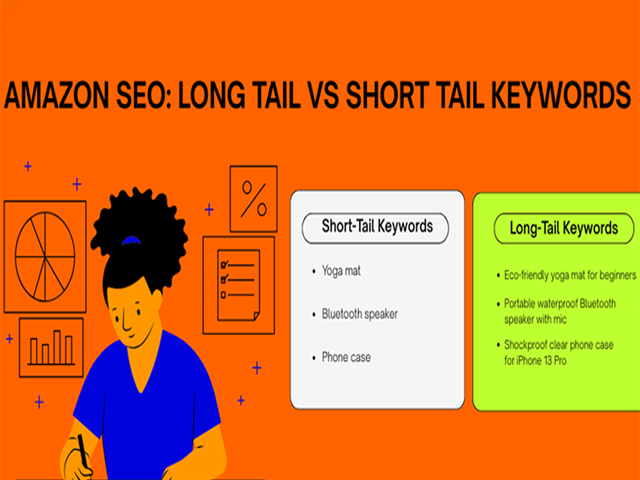
Long-Tail vs Short-Tail Keywords: What Works Best on Amazon?
Every product on Amazon starts with a search. What buyers type in that little search bar decides which listings show up, which ones get clicked, and eventually, which products get sold. That is why keywords matter so much. They connect the customer’s needs with your product. But not all keywords work the same way. Some are broad and short. Others are longer, more specific, and often more targeted.
Learn More →
FBA vs FBM in 2025: Which One Should You Choose?
Choosing between FBA and FBM is one of the most important decisions for Amazon sellers in 2025. The way you fulfill orders can shape your costs, customer experience and long-term growth. Fulfillment by Amazon, or FBA gives access to fast shipping with Prime and takes care of storage packing and returns.
Learn More →
How to Launch a Product on Amazon with Zero Reviews
Launching a product on Amazon with zero reviews may seem tough but it is possible with the right plan and clear execution. In 2025 Amazon gives more weight to how well your product performs in the first few weeks than how many reviews it has.
Learn More →
The Ultimate Amazon FBA Checklist for New Sellers
Your experience of being an Amazon FBA seller can be like a roller coaster ride, but there is much to get to know as well. Choosing the right product, managing the inventory, handling everything, every step counts in case you want to expand your store in the right direction.
Learn More →
Top Mistakes New Amazon Sellers Make and How to Avoid Them
Amazon selling may appear to be intriguing at first. You have millions of buyers at your fingertips, and with FBA and Seller Central, making your brand name appear is easy to do. But once you're in, you'll find it's not as easy as it seems. Most new sellers plunge into the work without knowing how Amazon works.
Learn More →
Understanding Amazon’s A9 Algorithm: A Complete Guide
Every product on Amazon starts with a search. What buyers type in that little search bar decides which listings show up, which ones get clicked, and eventually, which products get sold. That is why keywords matter so much. They connect the customer’s needs with your product. But not all keywords work the same way. Some are broad and short.
Learn More →
How to Write High-Converting Amazon Product Titles and Descriptions
When shoppers search on Amazon, the first thing that they see is your product listing. You lose them within 2 to 4 seconds when your title is vague or when your description is not being understood. However, when your content is well written, it does more than inform.
Learn More →
Why Your Amazon Listings Aren’t Converting (and How to Fix Them)
Selling on Amazon is more than getting your products listed. Your listing is your digital storefront, and every detail in it works like a sales pitch to the shopper. A good product with poor presentation will often lose to a competitor who communicates value more clearly.
Learn More →
A/B Testing Amazon Listings: What You Need to Know
Selling on Amazon is a constant process of improvement. The marketplace changes fast, and customer preferences shift without much notice. What works in a listing today may not be as effective next month. This is where A/B testing could turn out to be a very useful instrument to sellers who wish to make decisions on the basis of facts rather than guesses.
Learn More →
Using Backend Keywords on Amazon: Do They Still Matter?
When you list a product on Amazon, you face millions of competing items that are also fighting for visibility. Shoppers search with a wide mix of words. Some are common, while others are misspelled or written in different forms. To help sellers cover these variations, Amazon created backend keywords.
Learn More →
How to Improve Your Amazon Product Images for Better Clicks and Sales
Images are one of your most powerful tools for selling on Amazon. Customers choose to click before they even look at your product description or glance at your price point based on what they are viewing in the image. Over the past five years working closely with hundreds of Amazon sellers, I’ve witnessed how slight variations in product pictures can make huge differences in clicks and conversions.
Learn More →
Tracking Amazon Sales Trends: Tools & Strategies
Monitoring sales patterns at Amazon is not only what the successful Amazon sellers do, but it is also for everyone who aspires to establish a sustainable business. In the past five years, I have been assisting sellers to examine their performance statistics, identify trends early and make decisions that directly affect their profits.
Learn More →
Understanding Amazon Market Demand with Keyword Tools
Understanding what customers are searching for on Amazon is at the heart of smart selling. For the past five years, I’ve helped sellers connect with real demand by using keyword tools that uncover what shoppers are actively looking for. Market demand isn't a figure that represents consumer intention, interest, and purchasing behavior. If you ignore those indicators,
Learn More →
How to Do Competitive Analysis for Amazon Sellers
Winning on Amazon starts with clear competitive analysis, not guesswork. This guide breaks down how top sellers research rivals, read the market, and turn data into action. You will learn how to map your category, profile leading brands and emerging threats, and benchmark price, content quality, and delivery promises. We explain how to audit listings, uncover keyword gaps, and analyze images, A plus content, and reviews to find conversion levers.
Learn More →
Keyword Research for KDP: How to Rank Your Book on Amazon
With Kindle Direct Publishing (KDP), writers can self-publish and reach Amazon’s readership. Thousands of new books appear on Amazon every day, and without proper Amazon book keywords, your book can remain hidden. Keyword research on KDP helps your book show up in searches and reach the intended readers.
Learn More →
7 Mistakes First-Time KDP Authors Make (and How to Avoid Them)
Publishing a book for the first time can be exciting, but it can also be tricky. Many first-time Kindle Direct Publishing authors make mistakes that slow down their success. Avoiding these errors early can save time, money, and frustration. Here are seven common mistakes and tips on how to avoid them.
Learn More →
Free vs Paid Amazon Seller Tools: What You Really Need
Selling on Amazon is more competitive than ever. Millions of sellers compete for buyers, visibility, and sales every day. To succeed, sellers need the right tools to research products, track competitors, optimize listings, and analyze performance. One of the biggest decisions sellers face is whether to rely on free tools or invest in paid tools. Both can be useful, but each serves different purposes.
Learn More →
Top Chrome Extensions for Amazon Sellers in 2025
Amazon has become one of the busiest online marketplaces in the world. Every year more sellers join the platform and the level of competition increases. Sellers must understand demand, study buyer behavior, and pick the right products at the right time. In 2025, many tools promise to help with Amazon research, but only a few deliver real value through simple and accurate data. One Chrome extension that continues to support sellers in an effective way is Squatio.
Learn More →